

How to Know When It’s Time for Residential Fence Repair?
Your fence does more than mark property boundaries—it enhances curb appeal, provides security, and adds privacy to your home. However, over time, exposure to harsh weather, insects, and daily wear can weaken even the best-built fences. Knowing when to repair your residential fence can help you save money and prevent small issues from turning into major damage.
1. Visible Damage or Loose Boards
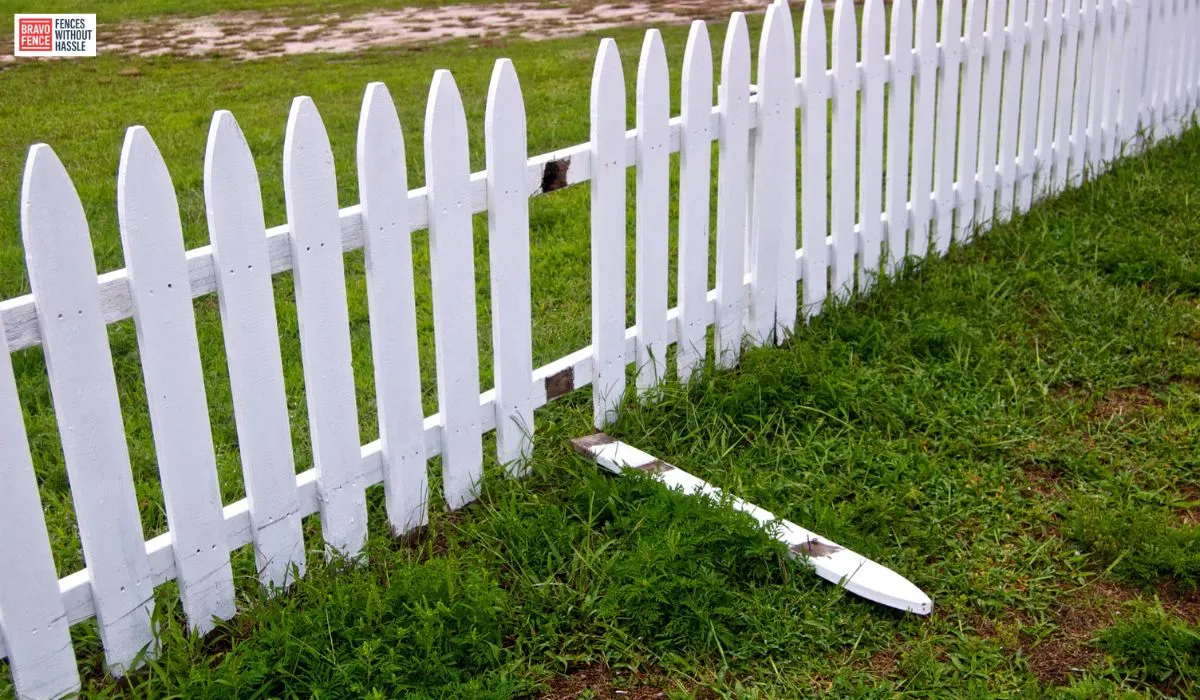
One of the first signs your fence needs attention is visible wear. If you notice cracked, split, or loose boards, it’s time to schedule a repair. Wooden fences, in particular, tend to warp or rot when exposed to constant moisture. Metal fences may bend or rust, while vinyl ones can crack under extreme heat or impact. Ignoring these issues can cause structural weakness and affect the overall stability of your fence.
2. Leaning or Sagging Fence Sections

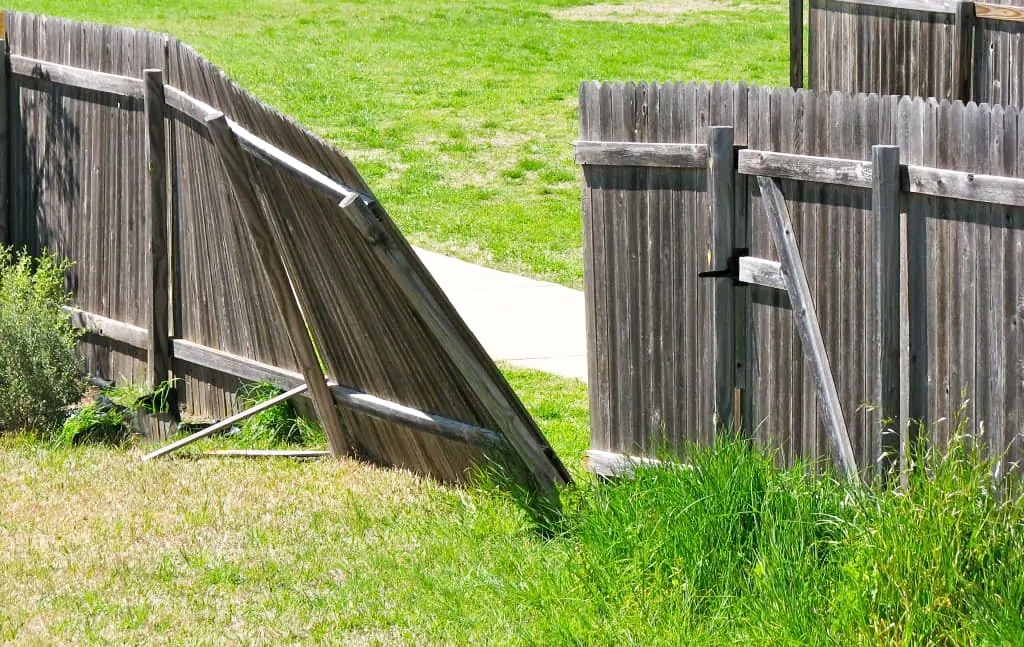
A leaning fence is more than an eyesore—it’s a clear sign that your posts or foundation have shifted. This can happen due to soil erosion, water damage, or unstable post anchors. If left unrepaired, the problem may worsen, leading to a full fence collapse. Professional repair experts can straighten the fence and reinforce the posts to prevent future leaning.
3. Rotting or Rusting Materials
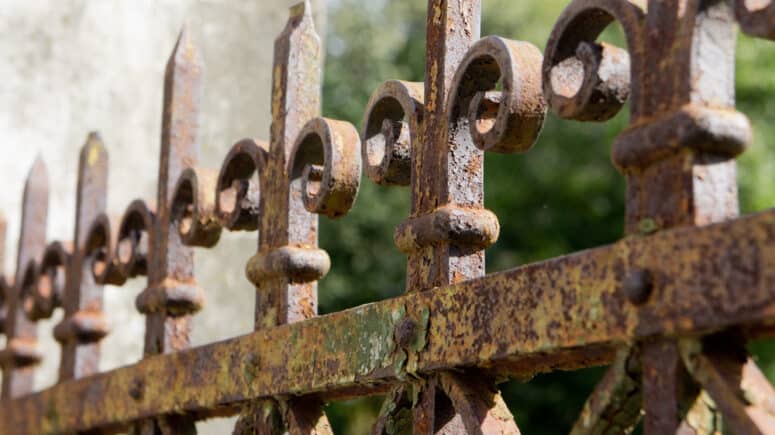
For wooden fences, rot is a common issue caused by moisture and pests. You might notice soft spots, discoloration, or mold growth. Metal fences, on the other hand, are vulnerable to rust, which weakens the structure over time. Early treatment and sealing can prevent the need for a total replacement.
4. Broken or Missing Hardware

Hinges, latches, nails, and screws may loosen or break due to constant use or exposure to the elements. When gates start to sag or no longer close properly, it’s time for a tune-up. Replacing worn hardware ensures your fence functions properly and keeps your property secure.
5. Fading Color or Peeling Paint

While this may seem like a cosmetic issue, fading color or peeling paint can signal deeper problems. The protective coating on your fence shields it from UV rays and moisture. Once that layer wears away, your fence becomes more vulnerable to damage. Repainting or resealing your fence extends its life and keeps it looking fresh.
6. Pest Damage
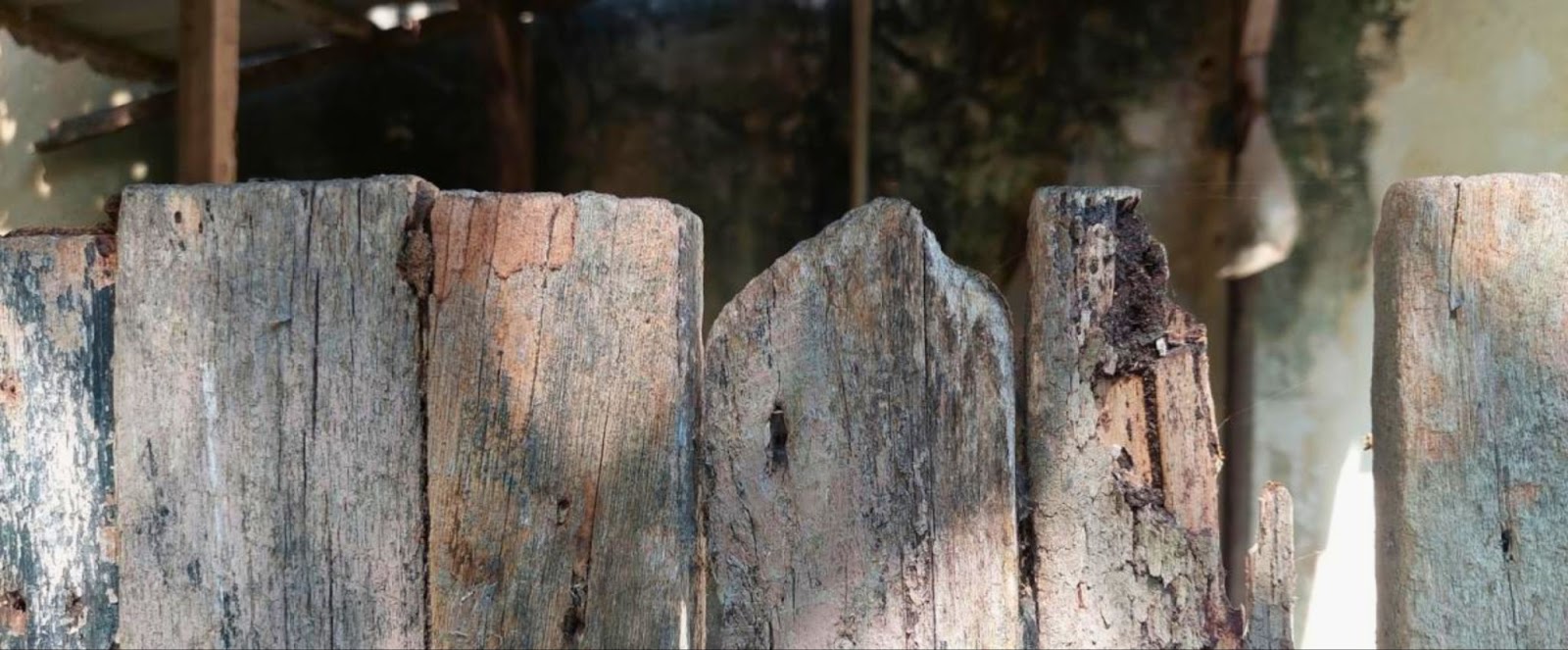
If you spot termite holes, chew marks, or wood dust near the base of your fence, pests may be eating away at it. Pest infestations can quickly destroy a wooden fence, compromising its strength and safety. Prompt repairs and pest control treatments are essential to prevent further deterioration.
7. Reduced Stability or Gaps
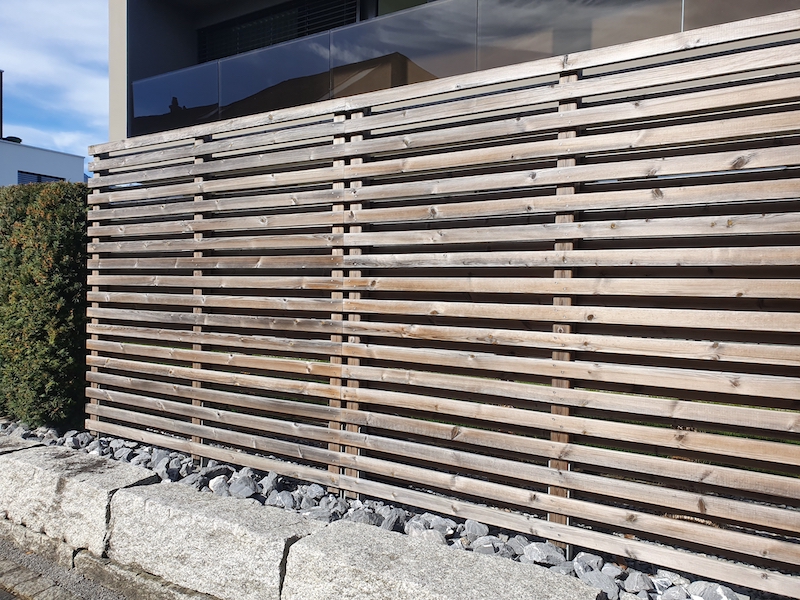
Walk along your fence and gently push it in different areas. If it wobbles, feels unstable, or has wide gaps between boards, repairs are necessary. This instability not only affects privacy but can also create safety hazards for children or pets.
8. Increased Maintenance Needs
If you find yourself constantly fixing or repainting your fence, it might be time for a more thorough inspection. Frequent small repairs are often a sign of deeper structural problems that need professional attention.
Conclusion
Your residential fence plays an important role in your home’s security, privacy, and beauty. Regular inspection and timely repair can help you avoid costly replacements and extend the life of your fence. If you notice any of these warning signs—leaning sections, rotting wood, rust, or missing parts—don’t wait. Contact a local fencing professional to assess and repair your fence before minor issues become major problems.

Leave a Reply
Want to join the discussion?Feel free to contribute!